
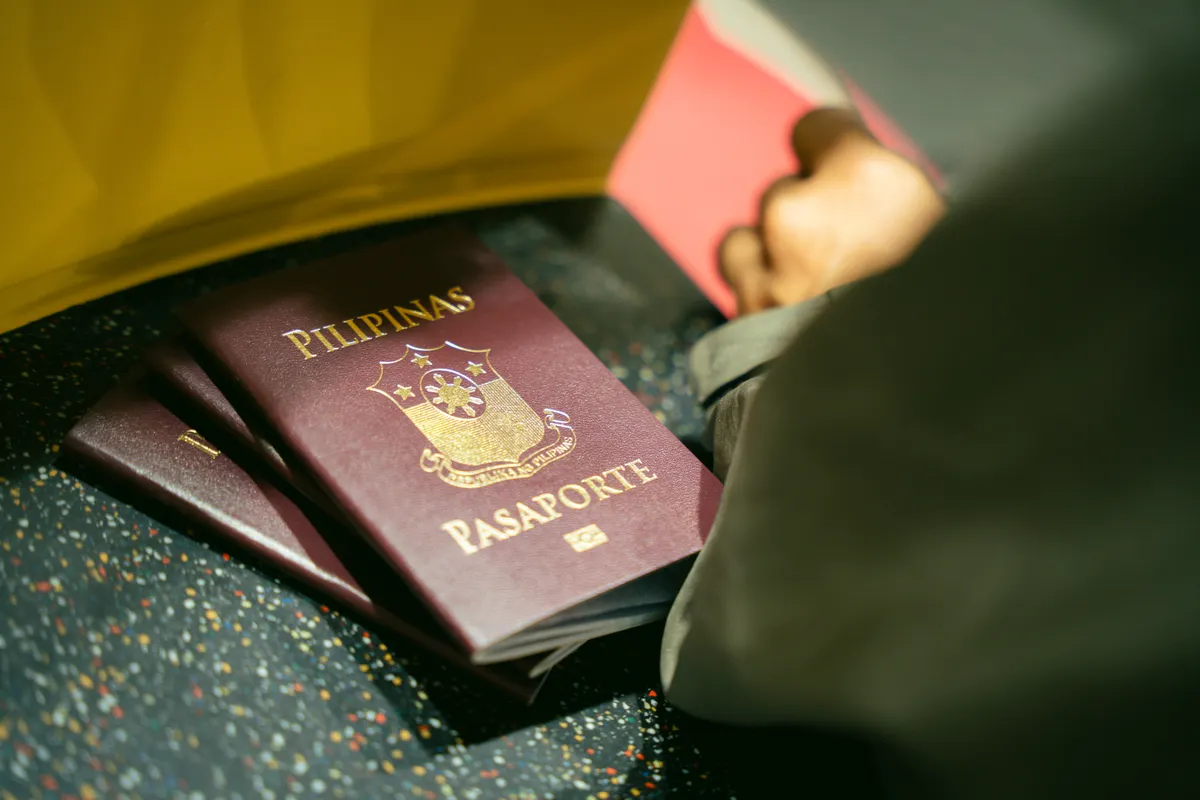

The limits of US passport travel warnings are being thrown into sharp relief by the State Department’s own advisory system, which makes clear that holding a valid American passport does not oblige the government to extract citizens from countries where diplomatic operations have been suspended or never existed.
For travel-industry professionals advising clients on international itineraries, the distinction matters. A passport confirms identity and citizenship; it does not constitute a rescue contract. In a growing list of destinations, there is simply no US diplomatic infrastructure on the ground to honour one.
Level 4 Advisories and the US Passport Travel Warnings That Accompany Them
The State Department operates a four-tier advisory system. US State Department travel advisories range from Level 1 (exercise normal precautions) to Level 4 (do not travel), with the uppermost tier reserved for countries where the rule of law is absent or where the host government is openly hostile to American interests. Countries currently carrying Level 4 designations include Afghanistan, Iran, Iraq, Haiti, Lebanon, North Korea, Syria, Russia, and Ukraine.
Afghanistan represents the starkest illustration of what Level 4 means in practice. According to the Travel Risk Calculator, the country holds a baseline composite score of 79 out of 100, placing it in the extreme-risk category. Terrorism, civil unrest, and kidnapping are cited as constant threats to any foreign national within its borders.
The physical absence of a US diplomatic presence is the core issue. As the Overseas Security Advisory Council has reported, the US Embassy in Kabul suspended operations on 31 August 2021 and has not resumed routine services since. Without a functioning embassy, there are no consular officers to visit detained citizens in jail, no diplomats available to negotiate releases, and no secure facilities to shelter those fleeing violence.
What Consular Services Actually Disappear
Travel agents and tour operators should be in no doubt about the breadth of the gap. The suspension of consular services covers the full spectrum: routine tasks such as passport renewal or document notarisation, and emergency functions such as assisting crime victims or coordinating with local authorities during a kidnapping. In a Level 4 zone, both categories are off the table.
When an embassy suspends operations, the nearest point of contact typically shifts to a neighbouring country. For Afghanistan, that generally means Qatar or another regional hub. Remote support via telephone or email is possible, but physical intervention on the ground is not. That distance creates a window of vulnerability that criminal or factional elements can exploit.
Travellers sometimes assume that military or specialist task forces will fill the gap left by the diplomatic withdrawal. The State Department is explicit that this is not the case: the government cannot provide emergency services to citizens in areas where diplomatic operations are suspended, regardless of the urgency of the situation.
For those who must enter high-risk territories for journalistic, humanitarian, or personal reasons, the State Department’s Smart Traveler Enrollment Program (STEP) offers a partial measure: STEP allows the government to send security alerts and record a traveller’s general location. In a Level 4 country, however, enrolment may help authorities notify next of kin but will not produce an evacuation. The programme is not a tracking device or a rescue beacon.
The practical advice for any travel professional whose client is considering a Level 4 destination is straightforward: private security arrangements, specialist high-risk travel insurance, and a clear-eyed understanding of the local political environment are the only real safety levers available. The US passport travel warnings issued for these territories are not bureaucratic formalities; they are a statement that American diplomatic power has a hard geographic limit, and that limit is already well inside the border.
