
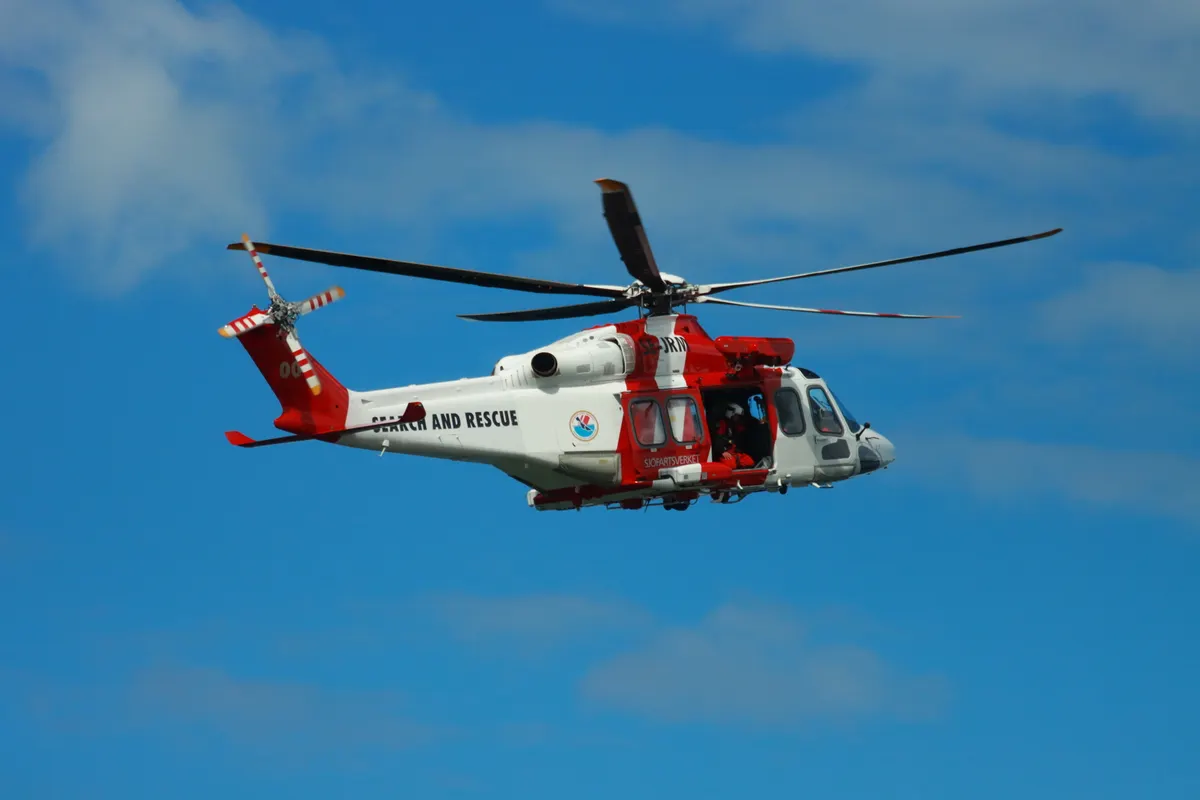

A viral Instagram video showing a hiker airlifted from Yosemite National Park after suffering heat exhaustion has prompted widespread debate over a reported $70,000 Yosemite helicopter rescue bill, but a federal funding policy suggests the group involved may not owe a cent.
The video, which spread rapidly across social media, shows a woman stopping approximately two miles into a hike, described as too weak to continue. Her hiking guides wrapped her in an emergency blanket and called for a helicopter evacuation. The footage ignited fierce online discussion on multiple fronts: whether a two-mile hike warranted an airlift, who should bear financial responsibility, and whether the $70,000 figure attached to the rescue is accurate or enforceable.
The $70,000 Yosemite Helicopter Rescue Bill: What Visitors Actually Face
The financial alarm spreading among hikers and travel professionals appears to be based on a misunderstanding of how national park rescues are funded. According to Outside Online, the National Park Service does not charge visitors for search and rescue operations. Under a 2020 policy, the park covers rescues costing less than $500, while a federally funded national search and rescue account picks up the cost for operations exceeding that threshold.
That policy framework, if applied to the Yosemite case, would mean the group faces no bill at all, regardless of the helicopter’s operating cost. One commenter on the original Instagram post appeared to corroborate this, claiming to have worked as a rescuer in the park and asserting that the helicopter involved is state-funded. ‘That helicopter is state-funded, and it’s most likely h40 or h42 from CHP. They don’t charge,’ the individual wrote.
The helicopter shown in the video carries tail number N835SB, which the Federal Aviation Administration’s registry associates with the San Bernardino County Sheriff’s Department. FlightAware tracking data indicates the aircraft’s most recent recorded flight was on 14 July. A separate commenter on the post claimed the Phoenix Fire Department responded to the call, though the two accounts were not reconciled in the online discussion.
Scale of National Park Rescues Puts the Yosemite Case in Context
The Yosemite incident is far from isolated. When In Your State reports that the National Park Service runs more than 3,600 search and rescue operations every year, at a total cost of around $5 million annually, drawn from entrance fees and federal funding. That volume points to a well-established, centrally resourced system rather than one that recovers costs from individual visitors.
For travel agents and tour operators advising clients on national park itineraries, the distinction matters: the liability risk for participants in a guided hike that requires rescue is, under current NPS policy, a different calculation from, say, a mountain rescue in a jurisdiction that does bill individuals.
The wider context at Yosemite this summer adds another layer. Park officials removed the timed entry reservation system, which had previously managed visitor flow. The change generated hour-long queues and, according to footage circulating online, crowds on a scale that raised legitimate safety concerns. Overcrowding does not cause heat exhaustion directly, but bottlenecks on trail can extend sun exposure and slow a group’s ability to turn back quickly when a member shows symptoms.
Park officials have been issuing heat-related warnings across the national parks estate this season. The Grand Canyon separately reaffirmed its dress code guidance following three deaths attributed to heat-related symptoms.
Debate Over Group Liability Continues Online
Much of the online commentary focused not on the medical emergency itself but on whether the rest of the hiking party could be held responsible for the woman’s rescue costs. Several commenters questioned the legal basis for billing the group rather than the individual evacuated, while others argued the guides bore some duty of care in assessing participants’ fitness before departure.
The Yosemite helicopter rescue bill debate also drew pointed remarks about body size and personal responsibility, alongside more measured voices noting that heat exhaustion can affect anyone exposed to high temperatures and physical exertion, regardless of fitness level. Symptoms can develop quickly at elevation, and moving an affected hiker without medical support carries its own risks, a point some commenters raised in defence of the call for evacuation.
TheTravel, which first reported the incident, said it reached out to Yosemite National Park for comment but did not receive a reply before publication. Under the NPS’s stated funding policy, the more pressing question for the group may not be the size of any bill, but whether one will arrive at all.
