
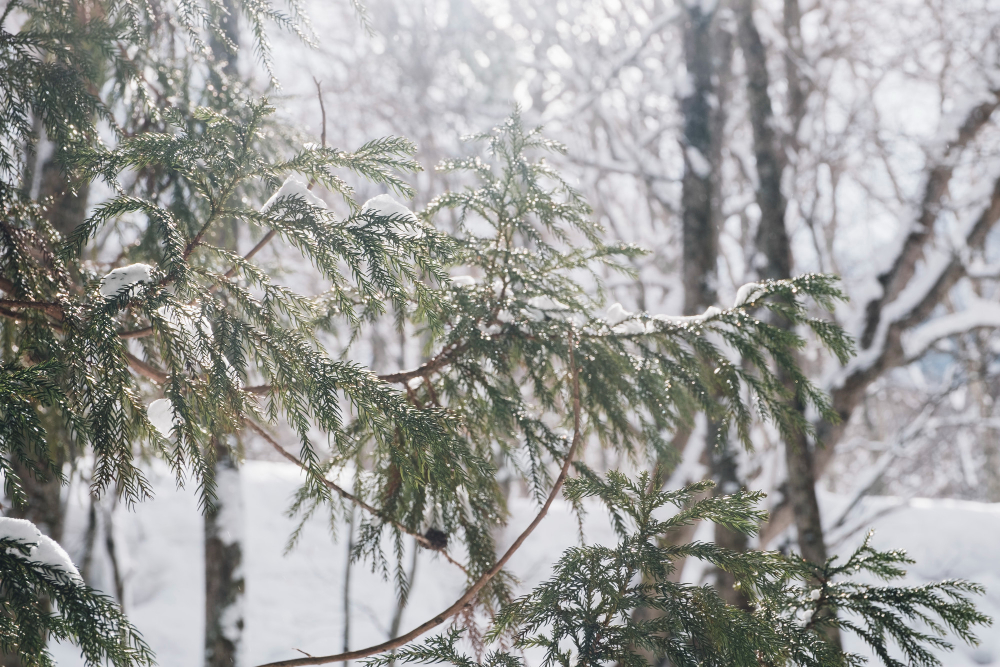

Winters come in whispers for some people, but not for Fern. As drivers looked through windshields that were already icing at the edges, the usual rhythm of Dallas traffic had slowed to a tense crawl by Friday morning. The sun, which was conspicuously absent, had been replaced by a low, slate sky that seemed uncomfortably near.
Texas appeared to be on edge as a whole, still scarred by the 2021 blackout. There were lines at gas stations by midafternoon. The grocery shelves were depleted of batteries, bottled water, and those strangely necessary breakfast tacos that seem to be necessary during emergencies. An eerie, anticipatory quiet before the storm made the threat feel suddenly real, even though meteorologists had sounded the alarm earlier in the week with remarkable clarity.
| Aspect | Details |
|---|---|
| Name | Winter Storm Fern |
| Timeframe | January 23–27, 2026 |
| Affected Regions | Texas, Oklahoma, Arkansas, Carolinas, Mid-Atlantic, Northeast |
| Hazards | Heavy snow, freezing rain, sleet, subfreezing temperatures |
| Forecast Authorities | National Weather Service, The Weather Channel |
| Power Outage Risk | High – especially with ice accumulation over ½ inch |
| Notable Quote | “A potentially catastrophic event from Texas to the Carolinas” – Ryan Maue |
| Helpful Link | Weather Channel Update |
Fern was more than a snowstorm with a catchy moniker. An Arctic high-pressure front that was diving from Canada and a swelling ribbon of moisture from the Gulf collided to form this system. The combination of freezing rain, sleet, and snow that was spread over regions that hardly ever experience more than frost was dubbed “exceptionally volatile” by meteorologists.
Forecasters issued early ice storm warnings for cities like Little Rock, Shreveport, and portions of northern Mississippi by using new, improved predictive radar and satellite data. The ability to mobilize emergency personnel in advance was made possible by these alerts. However, there is always a margin of error in even the most accurate forecasts, particularly when dealing with atmospheric chaos of this magnitude.
The first significant precipitation hit on Friday night. Roads turned to glass as the temperature dropped and the rain turned to freezing rain. Arkansas’s Interstate 30 was closed as a result of numerous accidents. Tree limbs in Oklahoma City were breaking under the weight of the ice buildup, with some of them colliding with power lines, according to locals. Snowfall rates in Asheville, North Carolina, were recorded at two inches per hour, along with a strong northeast wind.
When nature decides to push hard, I remember looking at an ice accumulation map in the middle of a late Friday forecast and realizing how vulnerable our infrastructure can be.
Saturday, the storm grew stronger. The temperature in Dallas stubbornly remained at 28°F, and small businesses were forced to close as a mixture of snow and sleet covered rooftops. Airports were converted into temporary shelter. Before noon, more than two hundred flights were delayed by Hartsfield-Jackson in Atlanta. With snow falling, albeit intermittently, and freezing rain making the jetways dangerous, cancellations increased in Memphis and Charlotte.
Fern had an unexpectedly broad reach. By Saturday evening, portions of southern Louisiana, central Mississippi, and southeast Texas were experiencing freezing temperatures. Keith Avery of the local electric cooperative in Newberry, South Carolina, issued a warning to locals about possible power outages, saying, “Power lines can snap like twigs with a half-inch of ice.” A single inch? That’s disastrous.
That apprehension was also expressed by the Southern Renewable Energy Association. The lower-voltage networks that link residences to the grid, known as distribution systems, are particularly susceptible to ice storms. In areas where such storms continue to be statistical anomalies, these are not resistant to bulk ice weight or extended freezing.
No respite was provided on Sunday morning. While parts of Georgia and Tennessee dealt with blocked roads and downed transformers, Charlotte woke up to icy tree limbs. Across a half-dozen states, the storm was remarkably successful in stopping almost all major modes of transportation for weekend travel. Due to their limited resources, emergency personnel advised citizens to stay indoors, refrain from traveling, and visit their elderly neighbors.
Despite the grim outlook, there were hints of progress. In Texas, temperatures started to gradually rise by Sunday night. After being closed for more than 36 hours, roads were carefully reopened. However, many were still frozen, particularly in areas where overnight snowmelt had frozen again. Low temperatures in large areas of the region dropped into the teens, prompting meteorologists to warn that any moisture that was not treated would solidify once more.
On Monday, there was sun, but there was also the fallout. In the South and East, more than 500,000 people reported outages. Workers put in endless hours to bring the power back. Due to impassable conditions, schools in Alabama and North Carolina remained closed. Despite the disturbances, there was a distinct air of readiness. Response times had been greatly shortened in cities like Raleigh and Huntsville thanks to pre-storm coordination between local government agencies and utility companies.
Another factor was the particularly creative use of local weather apps. Residents were able to track road conditions and incoming precipitation with remarkable accuracy by using hyper-local push alerts. Fern turned into a storm that was battled with data just as much as plows.
A large portion of the area had thawed by Wednesday. Broken tree limbs, closed schools, and icy ditches full of stranded cars, however, still demonstrated Fern’s signature—a frozen expanse that stretches from the high plains of New Mexico to the tidewater towns of Virginia. Even though the cleanup would take days, this time there was a noticeable increase in the sense of collective resilience.
The number of flight cancellations and the amount of damage caused by Fern may not have had the most long-lasting effects. It’s the larger change in southern states’ perceptions of these powerful storms. The response to Fern suggests a shift from reactive to proactive, from hopeful to extremely prepared, whether motivated by new meteorological knowledge or collective memory.
That change matters.
For preparation cannot be a luxury if storms like Fern are the new normal. The baseline must be that.
