
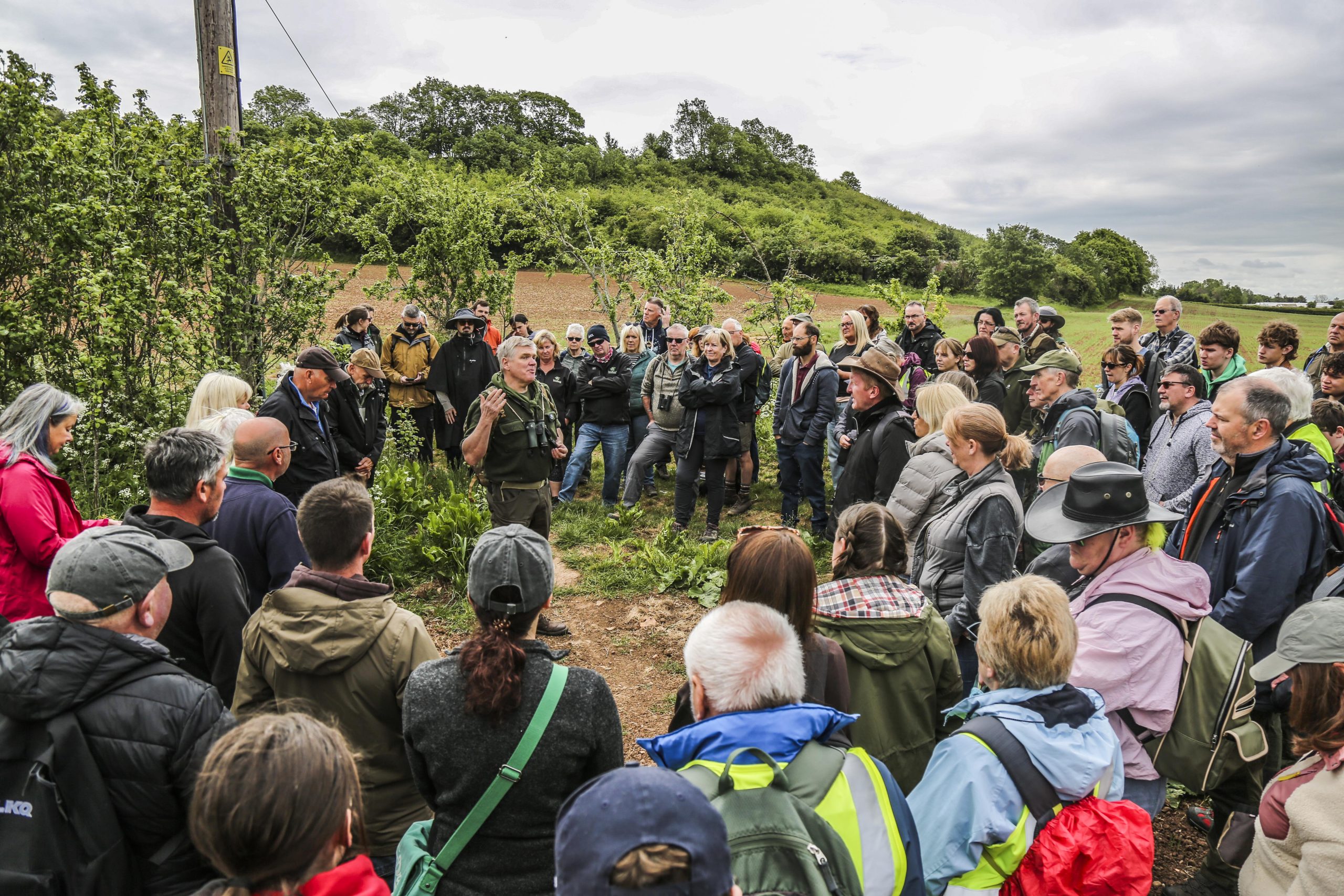

Ray Mears walked through Worcestershire’s Vale of Evesham recently, past orchards and market gardens, and declared it one of England’s most quietly rewarding landscapes. The bushcraft expert’s endorsement arrives as economic pressures force thousands of British holidaymakers to reconsider overseas trips this summer.
The timing matters.
With a weakened pound and rising travel costs reshaping tourism patterns, smaller destinations like the Vale are banking on renewed interest in domestic breaks. While the Lake District and Cornwall brace for another summer of overcrowding, Worcestershire’s tourism operators see an opening.
Mears, whose television work has taken him from the Arctic to the Amazon, spent time exploring the region’s patchwork of rivers, hedgerows and historic villages. He met representatives from Evesham Welcomes Walkers, Vale Landscape Heritage Trust, Wychavon District Council, Evesham Place Board and Offenham Touring Park during the visit.
His assessment was unequivocal.
“The Vale of Evesham is a remarkable landscape-subtle, but incredibly rich. It’s not about dramatic peaks or vast wilderness, it’s about the detail-rivers, fields, hedgerows, and the way people have worked with the land over generations,” Mears said. “What I love about a place like this is its accessibility. You can come here and very quickly feel connected-to nature, to history, and to the rhythm of the countryside. It’s a reminder that you don’t have to travel to the far corners of the world to experience something special. Some of the most rewarding landscapes are right here, quietly waiting to be discovered.”
The endorsement carries weight beyond simple celebrity backing. Mears has built a reputation over decades as someone who understands landscapes—not just how they look, but how they function, how they’ve been shaped, what they reveal about human interaction with the natural world.
For Phil Maclean, chair of the Evesham Place Board, the visit offered something more valuable than publicity. It provided a masterclass in storytelling.
“It was a real privilege to welcome Ray to Evesham. His work has inspired generations to reconnect with the outdoors, so having him experience the Vale firsthand is hugely significant,” Maclean explained. “Spending time with Ray one-to-one gave us valuable insights into how places like Evesham can better tell their story-through landscape, authenticity and meaningful visitor experiences.”
The Vale’s appeal lies precisely in what it lacks. No queues. No Instagram hordes descending on the same three viewpoints. No premium pricing simply because everyone knows the name.
Instead: walking routes threading through working farmland, independent campsites where you might be one of five pitches, touring parks that haven’t hiked prices to London levels. The sort of holiday where connection to place doesn’t require fighting through crowds to feel it.
Councillor Emma Stokes, executive board member for resources, investment and innovation at Wychavon District Council, acknowledged the strategic importance of the visit. “Visits like this help put places like the Vale of Evesham firmly on the national map,” she noted. “We know the value of our landscapes and heritage. Having someone of Ray’s standing recognise that is incredibly powerful in inspiring more people to discover what we have here.”
The broader shift in UK tourism patterns has been building since the pandemic forced the original staycation boom. What’s changed is the economic dimension. Families who might once have defaulted to Spain or Greece are now calculating whether two weeks in Cornwall—at increasingly eye-watering prices—actually represents better value than the continent.
Smaller destinations occupy an interesting middle ground. They offer the domestic convenience that expensive coastal hotspots provide, but without the premium pricing or saturation. The Vale’s network of small tourism businesses stands to benefit from what industry observers are calling the ‘staycation reset’—a recalibration away from both international travel and overcrowded UK honeypots.
Mears’ observation about accessibility cuts to the heart of it. The Vale sits within reach of Birmingham, Bristol and the Midlands—millions of potential visitors for whom a weekend escape doesn’t require advance planning, airport transfers or currency exchange. Just a tank of fuel and a map.
The landscape itself tells a story that differs from the dramatic narratives of mountain or coast. This is gentle, intricate countryside—the kind that rewards slower observation rather than Instagram-friendly vistas. Orchards that have supplied fruit for generations. Rivers that powered mills and shaped settlement patterns. Market gardens that still function as working agricultural land rather than heritage attractions.
Whether Mears’ endorsement translates into measurable visitor numbers remains to be seen. Local tourism operators will be watching closely over the coming months, particularly as families finalise summer plans and weigh their options.
What the visit does establish is a narrative—one that positions the Vale not as a second-choice fallback when overseas trips prove too expensive, but as a destination worth choosing on its own merits. A place where the most rewarding landscapes, as Mears suggested, have indeed been quietly waiting.
For regions beyond the established tourism circuit, that narrative represents something valuable. Not just visitor revenue, though that matters to independent businesses and local councils managing tight budgets. But recognition that the overlooked can be worth looking at.
The question now is whether travellers searching for affordable, meaningful experiences this summer will follow where the bushcraft expert led—off the beaten track and into the orchards.
