

Adventure travel insurance policies soared 182% between 2023 and 2025, according to data from SportsCover Direct. The surge signals something more profound than a passing fad: British holidaymakers are abandoning the sun lounger for the hiking trail.
The classic beach break is losing ground.
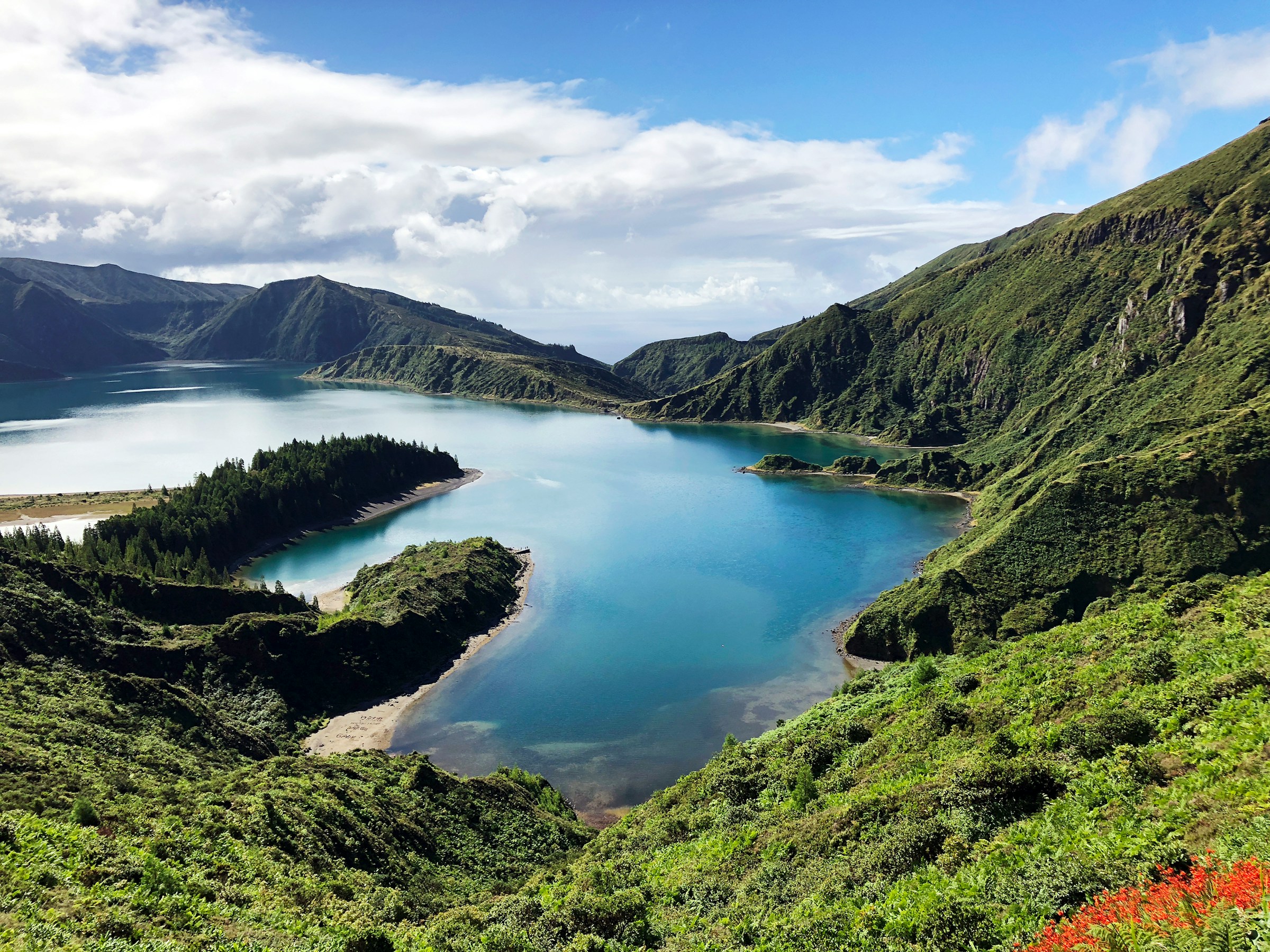
New research ranking 30 European destinations on air quality, nature access, trail density and summer weather reveals where this shift is taking travellers. The Azores, a Portuguese archipelago in the Atlantic, topped the index with a score of 8.4, outperforming Mediterranean favourites and Alpine retreats alike. Clean air, extensive hiking routes, average summer temperatures around 23°C and minimal rainfall created what researchers called “ideal conditions for outdoor activity without extreme heat.”
Portugal claimed four of the top ten spots. The Algarve scored 8.3 for the cleanest air in the study, whilst Madeira earned 8.1 for the highest trail density relative to its size. Lisbon, at 6.5, proved that urban destinations could compete when coastal nature trails sit within easy reach.
Islands dominated the rankings in a pattern that surprised even the researchers.
Five of the top six destinations were islands—Azores, Crete (8.2), Madeira, Sardinia (8.0) and Mallorca (7.5). The trend suggests something about water, space and slower rhythms. Research indicates that just two hours per week in nature significantly improves health and wellbeing, but islands appear to offer an advantage: abundant natural environments, water on all sides, and what travel expert Veronika Primm describes as a pace that “naturally encourages” exploration over scrolling.
“In my experience, the best destinations for active relaxation come with clean air, easy access to nature, and great trails that do the hard work for you. When beautiful scenery is right outside your door, it naturally draws you out, even on days when you feel a bit lazy,” Primm explained.
The data aligns with broader research from Amadeus showing that 41% of global travellers now seek holidays supporting a calmer mental state, whilst nearly a third prioritise digital detoxing. What’s shifted is the method: rather than lying still by a pool, travellers are finding calm through movement.
“On these types of trips, I’ve often found myself heading out for a short walk and ending up exploring for hours and by the time you’re back, you feel tired but energised and full of endorphins. It’s a rhythm that’s very different from everyday life which encourages you to sleep better, feel more accomplished, and reconnect with a slower, more grounded version of yourself,” Primm noted.
Yet three major cities—Barcelona (6.8), Lisbon and Stockholm (6.1)—cracked the top ten, challenging assumptions that restorative travel requires remoteness. Barcelona and Lisbon both benefited from extensive hiking routes within or near city limits, whilst Stockholm scored the highest urban air quality and offers archipelago access for kayaking and coastal walks. The Bavarian Alps, at 6.4, represented the sole landlocked mountain destination in the rankings, appealing to what researchers termed “coolcation” seekers avoiding Mediterranean heat.
What makes active holidays more restorative than traditional beach breaks? Primm’s answer contradicts conventional wisdom.
“Active holidays can actually make it much easier to switch off than a classic beach break. When you’re hiking a trail or cycling through a new landscape your attention is fully engaged in the moment as you’re focused on watching your footing, taking in the views and maybe even pushing yourself a little,” she said.
“It pulls you out of your head in a way that feels almost meditative so there’s no space for overthinking or checking emails. You just move, breathe, and exist in the moment which is where the real mental reset happens.”
The shift has practical implications for how travellers prepare. Chris Trotman, Underwriting Manager at SportsCover Direct, observed the change in policy purchases firsthand.
“The 182% increase we’ve seen in sports travel policies tells us that travellers are no longer looking for passive breaks and the ‘active’ part of the holiday is now the main event. They want to return from a holiday feeling more accomplished and grounded than when they left, whether it’s trekking in the Azores or exploring Stockholm’s archipelago by kayak, the active escape is about finding calm through slow movement,” Trotman said.
For newcomers to the trend, Primm offered straightforward advice: balance exertion with recovery, and commit to the digital detox before departure.
“If you’re new to active travel, I’d recommend balancing it with downtime so your body can recover. I also like to set intentions such as staying off my phone and laptop as much as possible, which makes a huge difference to my general wellbeing and stress levels!”
The study evaluated destinations across four metrics: air quality data from IQAir, access to protected natural areas and green space from national park bodies and HUGSI, hiking route availability from AllTrails, and summer weather patterns from climate databases. Each metric was standardised and combined into an overall score reflecting how well locations support what researchers termed “active, restorative travel experiences.”
Crete’s 8.2 score reflected its status as one of the most trail-rich destinations with minimal rainfall, whilst Mallorca’s 7.5 benefited from renowned cycling infrastructure that has drawn enthusiasts for years. Sardinia’s 8.0 captured what the study called “the perfect mix of blue space and mountain hikes”—coastal swimming breaks followed by inland trails.
“It’s a really exciting shift in how we travel, but it does mean you need to think a bit more about your holiday prep. If you’re planning a trip that’s more about the trails than the pool, you want to know you’ve got the right kit and the right protection in place. That way, you can actually just focus on the movement, the scenery and the positive benefits which is exactly why you went there in the first place,” Trotman added.
The pattern raises questions about infrastructure investment in these destinations. Portugal’s dominance suggests that a combination of coastal landscapes, accessible nature and relatively mild summer temperatures creates an advantage over hotter Mediterranean rivals or colder Nordic alternatives. Islands consistently outperformed mainland destinations, yet the presence of Barcelona, Lisbon and Stockholm in the rankings indicates that urban planners prioritising green corridors and trail access can compete for the wellness tourism market.
Whether the 182% surge represents a permanent shift or a post-pandemic correction remains uncertain. What’s clear from the data is that tens of thousands of British travellers are choosing hiking boots over flip-flops, and the destinations benefiting most are those where nature sits closest to the accommodation door.
