
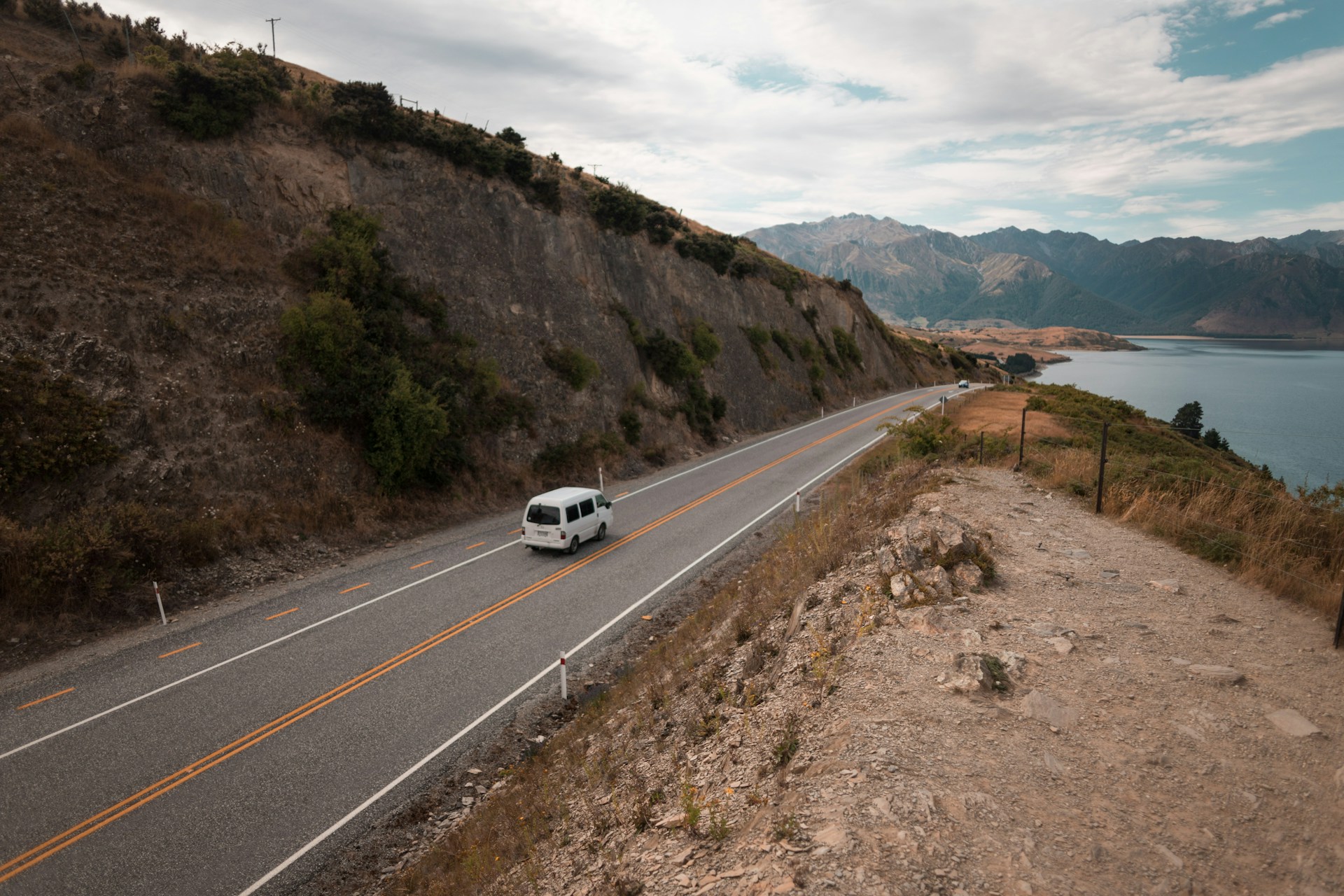

On paper, the UK looks pretty compact. You can drive from one end to the other in less than a day, and major cities seem only a few hours apart. But once you’re actually on the road, those assumptions can change.
What looks short on a map often feels longer on the road. Not because the miles stretch, but because the experience of them is richer, slower, and more varied than expected.
Maps apps versus the road
Digital maps flatten everything. A route from London to Cornwall is just a line with a time estimate. But when you drive it, the journey is more interesting. Motorways give way to A-roads and winding country lanes. Traffic builds and clears. Weather rolls in and out.
A three-hour drive can sometimes feel straightforward. The same distance can feel like a full day if you’re navigating small roads or stopping often.
Why short distances can feel long
The UK’s road network is very different from many of those across the world. Unlike countries with long, straight highways, many routes in Britain curve and dip through old landscapes. Roads follow hills, rivers, and historic boundaries.
Fifty miles in the Highlands or rural Wales might take much longer than fifty miles on a motorway in England. And if you’re covering bigger distances during a motorhome holiday, for example, you start to realise just how much the UK varies in its scenery, countryside, and pace of life. For anyone in Scotland considering motorhome hire Edinburgh options is a good place to start, with easy access to major routes and the Highlands, so you can either cover ground quickly or slow right down and savour the views.
Scenery stretches time
Scenery changes how you experience distance. A flat, uneventful drive can pass quickly. A route through dramatic landscapes slows your perception of time.
In the UK, variety is packed into small areas. Within an hour, you might move from city streets to farmland, then into hills or coastline. Changing surroundings on any journey – by foot or vehicle – invites you to pay attention.
And the attention sometimes stretches the journey. You’re not just getting from A to B. You’re noticing details, pulling over for photos or meals, or taking short detours. Even a modest trip can feel substantial because of how much you see.
This makes distances feel larger than they are. Not in a frustrating way, but in a way that gives weight and maybe more meaning to the journey.
Planning changes once you’ve seen much of the UK
After a few road trips, the way you plan a drive or road trip might change. You might stop relying purely on estimated travel times and start factoring in real conditions and the stops you’ll enjoy (or be frustrated by) on the way.
You might plan fewer miles in a day, knowing that roads could be slower or more engaging than expected. You could allow space for stops, both planned and spontaneous. A route that looks easy on a map might get broken into smaller segments.
It also changes how you think about proximity. Two places might be geographically close, but if the route is slow or scenic, they feel more distinct and separate. The UK has so much to offer on a road trip that even experienced drivers find new things to experience. There’s always more to see on the road.
