
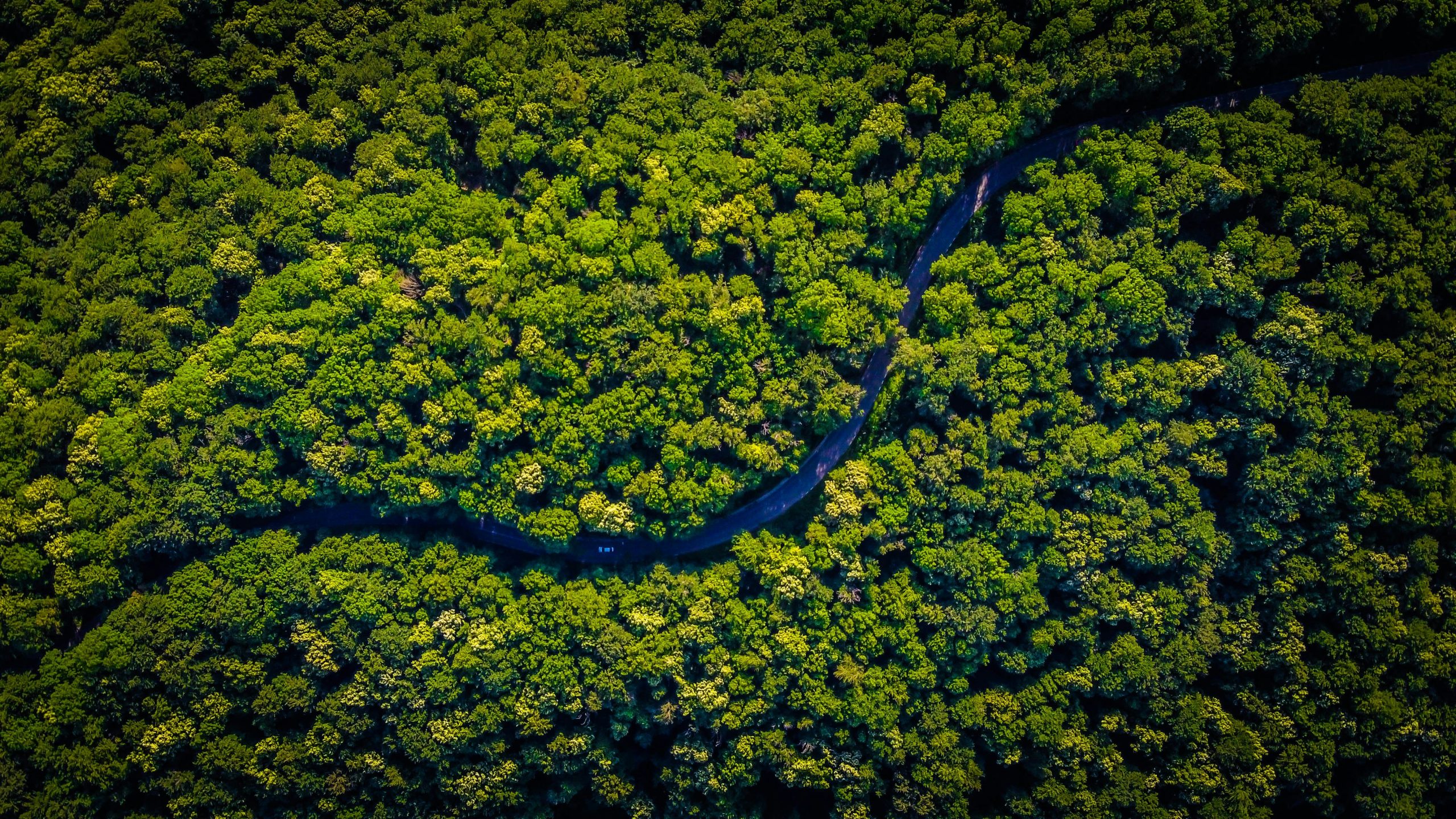

FutureBrand São Paulo traced 25,000 kilometres of the Amazon River basin from satellite coordinates, hunting through aerial images until they found every letter of the alphabet spelled out in the curves of tributaries and waterways. Those bends and loops now form the logo for Brazil’s first unified Amazon brand, launched this week to replace the fragmented tourism pitches that nine states have been making separately for decades.
The partnership between Integrated Amazon Routes and Embratur aims to solve a problem that’s plagued the Brazilian Legal Amazon since tourism became viable: too many competing voices, no cohesive story.
Nine states—Acre, Amazonas, Amapá, Maranhão, Mato Grosso, Pará, Rondônia, Roraima and Tocantins—have been marketing themselves independently, often with overlapping messages and clashing aesthetics. That ends now. The territory, which spans 60% of Brazil and houses 28 million people, will speak with a single identity whilst each state retains its individual character.
“Around the world, many of the most visited and desired tourist destinations have strong and well-established brands,” explained Arnaldo de Andrade Bastos, partner and Chief Design Officer of FutureBrand São Paulo. “The Amazon has always had this potential, but it had never brought together all those involved in a structured way to combine efforts towards this construction. Now, we present a solid brand that clearly illustrates the richness, plurality, and effervescence of the Amazon, uniting its main elements and the power of the entire region through a single concept and design.”
The timing matters. Costa Rica has dominated ecotourism messaging for years with a unified approach. Iceland turned a volcanic island into a must-visit destination through consistent branding. The Amazon, despite containing the planet’s largest tropical forest, has been losing ground to destinations with clearer identities and simpler booking pathways.
Bruno Reis, President of Embratur, positioned the move within Brazil’s broader economic strategy. “The Amazon has all the attributes to consolidate itself as one of the most relevant tourist destinations in the world. Tourism, in this context, is a strategic tool to boost a sustainable development model, based on the generation of employment and income for local communities. From the forest to the cities, the entire territory’s chain benefits. In addition, initiatives like this contribute to positioning the region at the centre of the global bioeconomy and to strengthening the internationalisation of Amazonian micro and small entrepreneurs.”
That bioeconomy reference signals ambitions beyond tourist dollars. The brand functions as what its creators call a “living” identity—not a static logo but a flexible system that adapts whilst maintaining core elements. Colours shift depending on region and context. Patterns incorporate local fauna, flora and cultural references. The alphabet derived from river coordinates ensures every application connects back to the waterways that define the territory.
Creating buy-in across nine state governments required more than design skill. FutureBrand ran co-creation sessions involving residents, workers, artists and regional representatives. Illustrators Cristo, Winy Tapajós, Malu Menezes and Beatriz Belo contributed. Photographers Ori Junior and Bob Menezes provided imagery. Instituto Letras que Flutuam worked with lyricist Odir Abreu on language. Marahu, based in Pará, handled audiovisual production for the launch presentation.
The approach aimed to prevent the brand feeling like an imposition from São Paulo or Brasília. By embedding local voices throughout development, the identity carries regional authenticity that previous tourism campaigns lacked.
Yet the commercial application extends well beyond convincing backpackers to book flights. A “Made in Amazonia” seal will certify products originating from the region, from artisan crafts to agricultural goods. The seal leverages the brand’s recognition to generate revenue for local producers, creating an economic incentive for preservation.
“We are talking about a powerhouse in art, music, gastronomy, culture, and the production of a range of products for different industries,” Reis noted. “And it is precisely this richness that the world can now fully experience: the Amazon as a sensory and transformative experience, revealed in the flavours, sounds, colours, and knowledge of the forest. A journey that impacts those who visit, but also strengthens those who live and produce in the region, generating value, pride, and a future for the Amazon.”
Gilvan Pereira, Secretary of Tourism of Rondônia, framed the effort in practical terms. “The goal is to organise experiences, tourist destinations, licensing, and origin seals under a brand that is desired and recognised worldwide. We want to reinforce the invitation for Brazilian and international tourists to come and experience the Brazilian Amazon.”
The website hosting the initiative, visiteamazonia.com.br, went live alongside the announcement. It consolidates booking information, experience providers and regional highlights that were previously scattered across nine separate state tourism portals.
Whether international visitors will respond remains the test. Brazil has struggled historically to convert the Amazon’s global fame into actual tourism revenue, hampered by infrastructure gaps, safety concerns and the sheer logistical complexity of navigating such vast terrain. A unified brand won’t solve those challenges overnight.
But for the first time, the 28 million people living across the Brazilian Legal Amazon will share a common commercial identity, one traced directly from the rivers that have connected them for centuries. The tributaries visible from satellites now spell out a story that nine states are finally telling together.
