
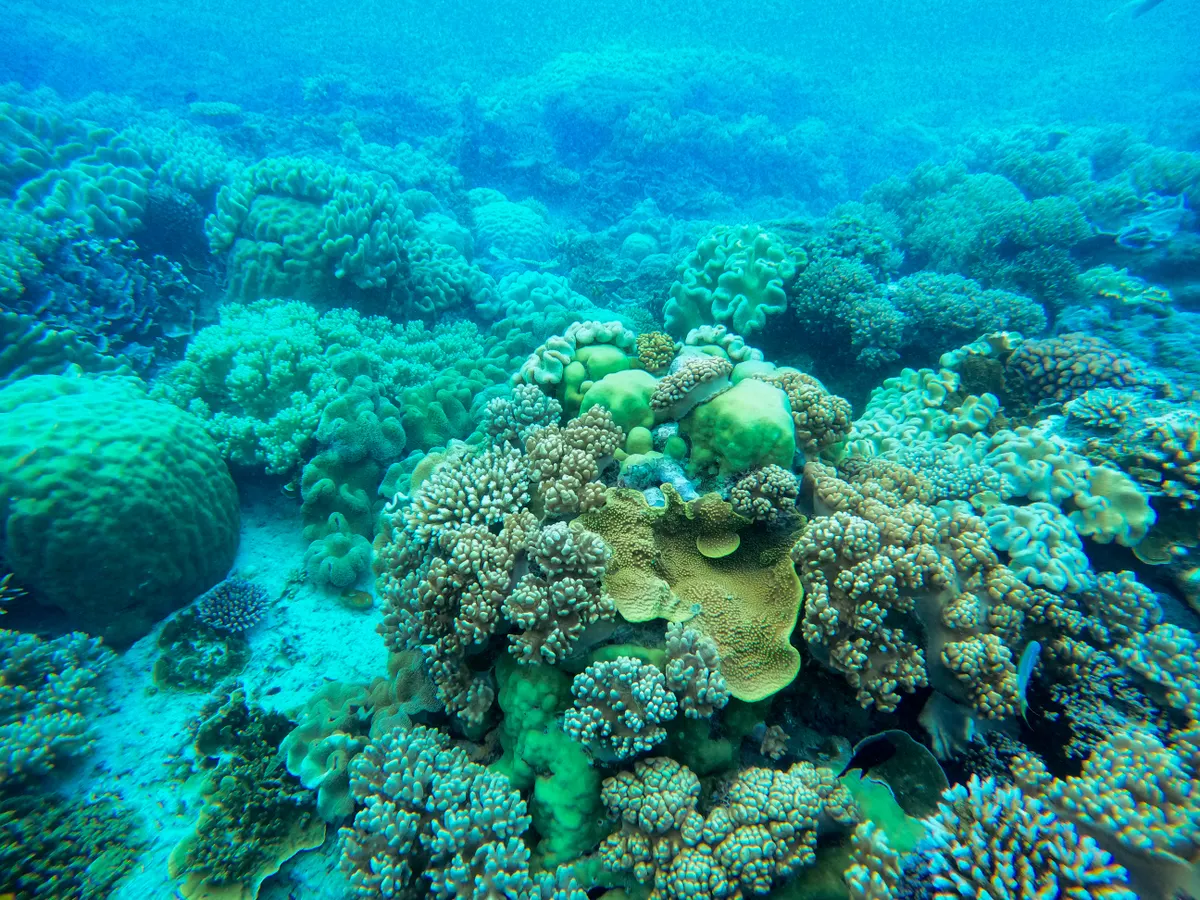

For dive-focused travellers weighing expedition liveaboards against mainstream cruise lines, Caribbean reef cruise itineraries offer a middle path that the trade increasingly recognises: multi-port access to world-class underwater sites, combined with the onboard infrastructure that dedicated dive vessels simply cannot match. PADI Divemaster Sascha Zuger, whose 3,000-plus dives include years working tropical island dive resorts and liveaboard ships, sets out the Western and Southern Caribbean routes most relevant to passengers who want reef access without sacrificing comfort.
Western Caribbean: Cruising the Mesoamerican Reef
The anchor of the Western Caribbean dive proposition is the Mesoamerican Barrier Reef System, the second-longest coral reef in the world and the largest in the Western Hemisphere. According to RoatanFiveStars, the system stretches nearly 700 miles from the northern tip of the Yucatán Peninsula down through the Honduran Bay Islands, encompassing some of the Caribbean’s most productive dive territory. Warm, exceptionally clear water makes it viable for snorkellers alongside scuba divers on the same excursion, widening appeal across mixed-ability groups.
Roatán, Honduras is the port Zuger flags most emphatically for serious divers. She spent several years of her divemaster career there, logging dives at sites including Mary’s Place, Mandy’s Eel Garden, the Blue Channel and the El Aguila wreck. Short boat rides and shore dive access keep the logistics straightforward even when cruise schedules are tight. Marine life includes sea turtles, eagle and southern rays, moray and snowflake eels, grey reef and nurse sharks, and large schools of reef fish; whale sharks, hammerheads and manta rays have been spotted, though rarely.
Cozumel, Mexico delivers a different experience: drift diving along soft-coral walls in purple, orange, blue and yellow, with visibility clear enough to see the sea bottom in 60 to 100 feet of water. The current-driven passages suit snorkellers and divers alike, and the site’s consistent conditions make it a reliable excursion even for less experienced guests.
Playa del Carmen and Costa Maya add a freshwater dimension. Cenotes (natural sinkholes connecting to underground river systems) produce dramatic light effects through crystal-clear fresh water. The region offers both heavily developed and more rustic cenote options, accessible to divers, snorkellers and non-diving passengers who simply want to swim.
On the routing side, Royal Caribbean sails the Western Caribbean from Tampa, South Florida and Galveston. Celebrity Cruises, Holland America Line and Princess Cruises cover similar ports from Port Everglades in Fort Lauderdale, with optional stops at Belize City and Grand Cayman. Norwegian Cruise Line and Carnival Cruise Line run comparable Western Caribbean itineraries from Florida and Gulf Coast ports.
Southern Caribbean: ABC Islands and Caribbean Reef Cruise Itineraries Year-Round
The Southern Caribbean presents a commercially distinct case. Aruba, Bonaire and Curaçao sit below the core Atlantic hurricane belt, giving operators and passengers reliable conditions when ports further north face weather disruptions, choppy seas or reduced underwater visibility. For tour desks and excursion managers, that year-round predictability reduces cancellation risk on water-sports programming.
Aruba’s draw is its wreck diving. The SS Antilla, a 400-foot 1939 German freighter, anchors the itinerary for experienced divers, alongside the Pedernales oil tanker and Arashi Reef. Green sea turtles, spotted stingrays, moray eels, nurse sharks and large groupers feature across sites. Post-dive, the island’s beaches provide the recovery environment that cruise guests expect in a way liveaboard ships cannot replicate.
Bonaire is marketed within the dive trade as the Shore Diving Capital of the World, a designation that aligns well with cruise scheduling. Because divers are not dependent on fixed boat-excursion slots, experienced guests can rent gear and enter the water independently. “Dive and Drive” programmes pair truck or jeep hire with tanks and equipment, giving access to more than 85 catalogued sites. The Bonaire National Marine Park has governed reef protection since 1979, and the result is consistently high coral health. Visibility frequently exceeds 100 feet. Favoured sites include Salt Pier’s coral-encrusted pillars, the limestone stairs of 1000 Steps, and the Hilma Hooker, a 236-foot shipwreck accessible by boat or shore, covered in sponges, hard corals and gorgonians.
Curaçao rounds out the ABC Islands with a reputation among underwater photographers. The Blue Room cave, the coral-covered Tugboat wreck and coral gardens populated with parrotfish and wrasse are the headline sites. Macro subjects (seahorses, nudibranchs, octopus, frogfish and arrow crabs) make it productive for specialist photographers as well as general snorkellers and divers.
Royal Caribbean operates this itinerary from San Juan, Miami and Port Canaveral. Celebrity Cruises departs from San Juan, Fort Lauderdale and Tampa. Princess Cruises sails from San Juan, Port Canaveral and Fort Lauderdale. Holland America Line primarily routes the Southern Caribbean from Fort Lauderdale. For agents building dive-focused packages, the multi-port structure of these Caribbean reef cruise itineraries means clients can log dives across three distinct reef systems within a single sailing.
